
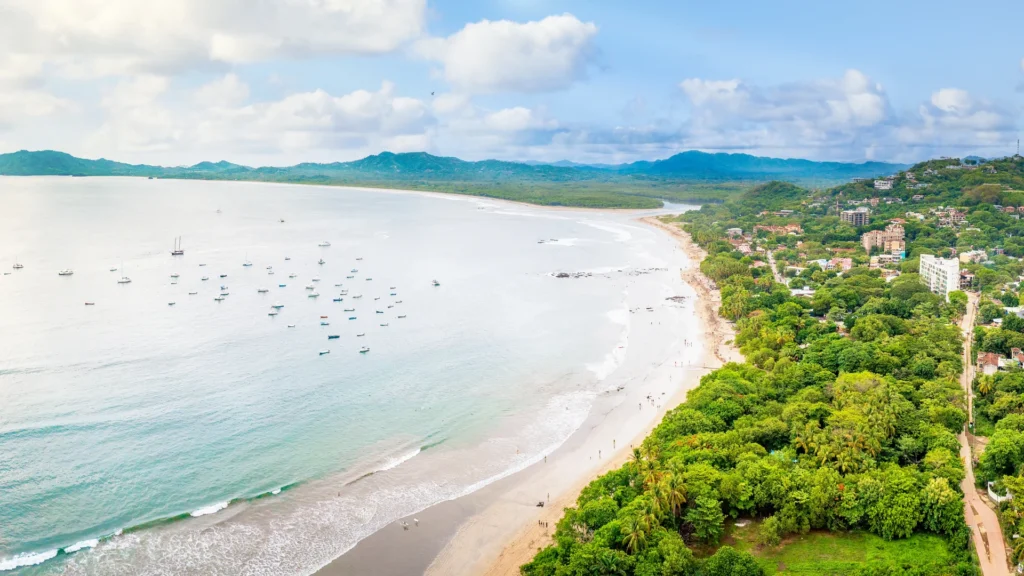
The things to do in Guanacaste, Costa Rica sit along a coastline you can drive end to end in about ninety minutes, and that one fact should shape your entire itinerary. Most guides hand you a list of attractions. What you need is a sense of what each day costs you in the car, what changes with the season, and which mornings are worth protecting.
Guanacaste Province covers the northwest Pacific corner of Costa Rica, and it gives you three landscapes at once: beaches, tropical dry forest, and volcanoes.
Your beach days need almost no driving. Your volcano day needs most of a day. And the water changes character between the dry season and the green season in ways nobody mentions until you are standing in it.
We run catamaran tours out of Marina Flamingo most days of the year. What follows is how we would plan a week on this coast, with real drive times, honest seasonal notes, and a shorter version for anyone who does not have a full week.
The short version
- Base yourself once. Distances are short but the roads run through towns, so changing hotels mid-trip costs more time than it saves.
- Beach and water days: no driving, or under thirty minutes.
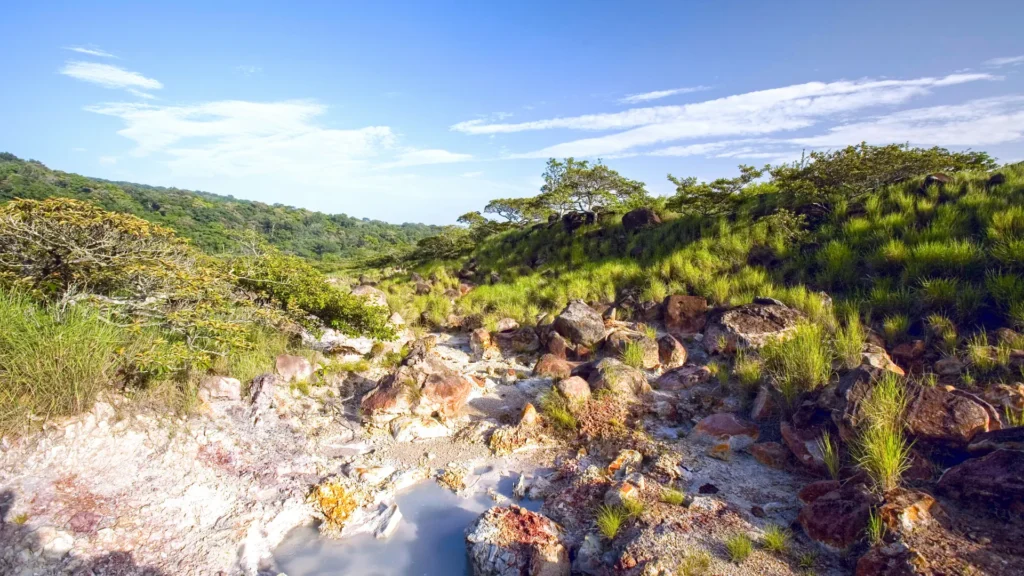
- Rincón de la Vieja volcano: a full day, roughly two hours each way from the Flamingo area.
- Dry season runs from about December to April. Green season, May to November, is greener, quieter and easier on the budget.
- Five days is comfortable. Three days works if you skip the volcano.
Where Guanacaste is, and how far apart everything really is
Guanacaste Province is the northwest corner of Costa Rica, on the Pacific side, and nearly everything travelers come for sits within ninety minutes of Guanacaste Airport in Liberia (LIR). The province is compact, but the roads pass through towns instead of around them, so plan in minutes, not kilometers.
Pull up a map of Guanacaste, Costa Rica and the coast looks like a single easy strip. On the ground it behaves differently. Here is what the drive from the airport actually takes:
| From Guanacaste Airport (LIR) | Drive time |
|---|---|
| Playas del Coco, Hermosa, Ocotal | about 30 minutes |
| Península Papagayo | 30 to 45 minutes, depending on the resort |
| Playa Flamingo and Potrero | about 1 hour |
| Playa Conchal and Brasilito | 1 hour to 1 hour 10 |
| Tamarindo | 1 hour 15 to 1 hour 30 |
Here is the part that surprises people. Flamingo and Tamarindo sit almost the same distance from the airport, but Flamingo is consistently faster. The road south to Tamarindo runs through Filadelfia and Belén, and in high season those two towns are where your extra twenty minutes disappear.
If you are staying at the Westin Reserva Conchal, the Riu properties, or anywhere around Playa Hermosa or the Papagayo resorts, you are already inside the zone where most of the good days require thirty minutes of driving or less. That is the argument for picking one base and staying put.
What Guanacaste is known for
Guanacaste is known for Pacific beaches, tropical dry forest and active volcanoes sitting within a short drive of each other. It is the sunniest and driest region of Costa Rica, which is exactly why the resorts are here.
The dry forest is the part visitors do not expect. Unlike the rainforest further south, this landscape sheds its leaves in the dry months and turns green again with the first rains, so the same hillside looks like two different countries depending on when you arrive.
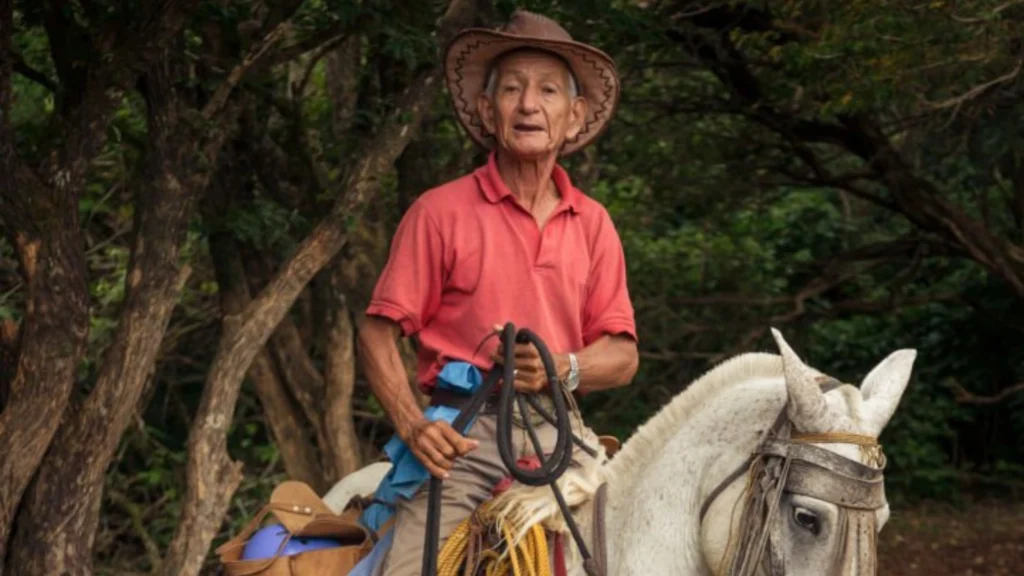
The province is also cattle country, with a sabanero culture older than the tourism, and the southern edge of it reaches into the Nicoya Peninsula, one of the world’s recognized blue zones. Offshore, the Gulf of Papagayo and the coves north of Flamingo are where the marine life concentrates.
The beaches, and which one suits which day
Guanacaste beaches vary more than the brochures suggest, and picking the right one for the right day matters more than trying to see all of them. They sit close enough together that you can move between two or three in a week without repacking.
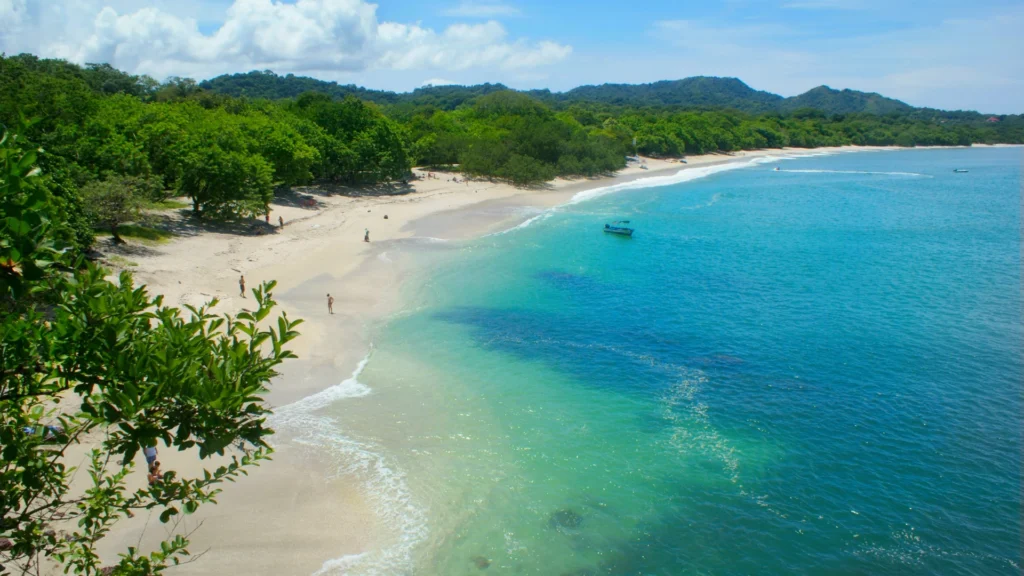
Playa Conchal is the one people photograph. The sand is made of crushed shell rather than grain, and the water off it stays calm most of the year.
Playa Flamingo is a protected cove with the marina at one end. Calm, swimmable, and the easiest place to be if your plans involve getting on a boat.
Playa Hermosa in Guanacaste, Costa Rica is wide, gentle and shallow, which makes it the reliable choice with small children. Not to be confused with the Playa Hermosa near Jacó, several hours south.
Playa Grande sits across the estuary from Tamarindo, with real surf and a protected leatherback turtle nesting beach.
Tamarindo is the town rather than the beach. Restaurants, surf schools, shops, and the most services of anywhere on this stretch of coast.
Get out on the water
The best day you can have in Guanacaste is on the water, because the stretch of coast north of Playa Flamingo has no road access at all. The coves at Guacamaya, Guacamayita and Penca are roughly an hour’s sail from the marina, and the only way to reach them is by boat.
That inaccessibility is the whole point. You arrive at a beach with nobody’s rental car parked behind it, snorkel over volcanic rock formations where the fish gather, and swim in water that stays calm because the headlands block the swell.
Two versions of the day exist. Morning catamaran tours leave early, when the sea is at its flattest and there is far less boat traffic on the water, which the wildlife prefers. The sunset catamaran tour trades that calm for the light, and the run back into Flamingo with the sun going down over the Pacific is the picture most people leave with.
Both include an open bar, food from our own kitchen with vegetarian, vegan and gluten free options prepared on request, and quesadillas for the children who will not be trying the ceviche.
Marina Flamingo offers free private parking with security and ramps that meet Ley 7600. This makes boarding easier for guests with reduced mobility.
Our shared tours run with a bilingual certified captain and crew, and they need a minimum of twelve passengers to sail. We confirm one to three days ahead, which is worth knowing if you are booking during the quieter months.
Not sure which one fits your group?
Tell us your dates and we will tell you honestly which day works better.
Dry forest, volcanoes and hot springs
Inland Guanacaste is a full day, not an afternoon, so decide in advance whether you are willing to give one up.
- Rincón de la Vieja National Park. The volcano day: bubbling mud pots, steam vents, waterfalls and dry forest trails, with hot springs, mud baths and ziplines run by private operations near the park entrance. Roughly two hours each way from the Flamingo area. Check the opening days before you drive, since Costa Rican national parks close one day a week.
- Palo Verde National Park. The wetland alternative, about two hours away on the Tempisque River. In the dry months the concentration of wading birds is the best in the country.
Wildlife you can actually expect to see
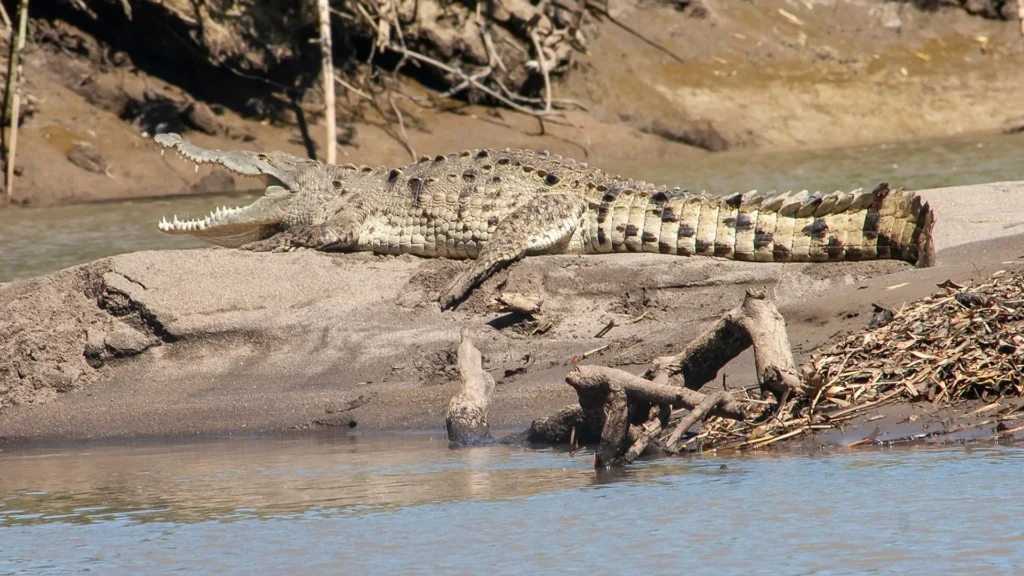
Dolphins, sea turtles and rays call this coast home, and howler monkeys are common in the dry forest behind the beaches. Nothing in nature comes with a guarantee, so the honest advice is to keep an eye out rather than plan around a sighting.
Humpback whales are the one exception worth timing a trip around, and Guanacaste gets two separate seasons rather than one long stretch. Whales from the southern hemisphere work their way up from Antarctica and pass this coast from July through September. Northern hemisphere whales come down from Alaska between January and mid March. August, September, January and February are the strongest months of the four.
You have to be out past the bays to see them, which is one more reason to give a boat day to those windows if your dates fall inside one. Costa Rica does not allow swimming with whales or dolphins, so the rule on the water is to watch, keep a respectful distance, and let them decide how close the encounter gets.
Underwater, the volcanic rock formations along the coves hold pufferfish, angelfish, moray eels and schooling jacks. Guided snorkeling is included on the morning tour, and the crew will point out things you would swim straight past.
On land, look for white-faced capuchins near the beach treelines, iguanas everywhere, and scarlet macaws if you make it as far as the Nicoya Peninsula.
When to come, and what changes by season
Guanacaste, Costa Rica weather splits cleanly into two seasons, and they deliver genuinely different trips. Dry season runs roughly December to April: sunshine every day, brown hillsides, strong afternoon wind, and the highest prices and crowds of the year.
Green season runs May to November. Mornings are usually clear, rain arrives in the late afternoon, the landscape turns emerald, and the coast empties out. May, August, September and October are our quietest months, which means better availability and a calmer beach.
Here is what almost no one tells you about the weather in Guanacaste, Costa Rica. During the windy months of the dry season, seasonal upwelling pulls colder water toward the surface along this coast. It is excellent for marine life and it makes the water noticeably less clear than the postcards suggest, exactly when the resorts are fullest.
None of this makes the dry season a bad choice. It just means that if underwater visibility is your priority, the green season quietly outperforms the season everyone books.
Is Guanacaste worth it if you only have a few days?
Yes, as long as you match the plan to the days you have. The mistake is trying to fit the volcano, the beaches and a day trip to Arenal into a short stay, which turns your holiday into a driving tour.
Three days: Skip inland entirely. Day one, settle in and stay near your hotel beach. Day two, a morning on the water to see the coves you cannot drive to. Day three, one beach you have not tried yet and an early dinner in Tamarindo or Potrero.
Five days: Days one to three as above. Day four, Rincón de la Vieja, leaving early and accepting that the day belongs to the volcano. Day five, nothing scheduled. Groups traveling together or celebrating something often use that last day for a private catamaran charter, where the route and the timing bend around your group instead of the other way around.
That empty fifth day is the one people thank us for later. Guanacaste is not a destination that rewards efficiency.
What to know before you go
A rental car makes sense if you plan to move around; if you are staying in one place and taking tours with hotel pickup, you can skip it and save the parking headaches. Most tour operators here, including us, include transport from the main hotel zones.
The sun is stronger than it feels with the ocean breeze on you. Reef-safe sunscreen, a hat, and a reusable water bottle cover most of it, and single-use plastic bottles are increasingly unwelcome on boats and in parks here.
Cards work almost everywhere, though small sodas and beach vendors are cash only. And if you are traveling for an anniversary, a birthday or a family reunion, a private sunset charter books out early in the dry season, so ask sooner than feels necessary.
Frequently asked questions
What is Guanacaste, Costa Rica known for?
Pacific beaches, tropical dry forest and active volcanoes within a short drive of each other, plus the sunniest and driest weather in the country.
How many days do you need in Guanacaste?
Five days is comfortable and lets you add the volcano. Three days works well if you stay on the coast.
What is the best month to visit Guanacaste?
December to April for guaranteed sunshine. May, August, September and October for green landscapes, fewer people and clearer water.
How far is Guanacaste Airport from the beaches?
Thirty minutes to Playas del Coco and Hermosa, about an hour to Playa Flamingo, and 1 hour 15 to 1 hour 30 to Tamarindo.
Do you need a rental car in Guanacaste?
Not if you are based in one beach town and using tours with hotel pickup. Yes if you plan to explore several beaches independently.
Can you see whales in Guanacaste?
Humpback whales pass this coast between August and January. Sightings are never guaranteed, but those are the months to watch.
Plan the week, not the list
Guanacaste gives you more than a week’s worth of things to do, and the travelers who enjoy it most are the ones who accept that and choose. Protect your mornings, give the volcano a full day or skip it honestly, and leave one day with nothing written on it.
Greetings from sunny Flamingo Beach. If you tell us your dates and who is traveling with you, we will tell you which day on the water suits your group, and which one does not.
The Panache Sailing team, Marina Flamingo, Guanacaste